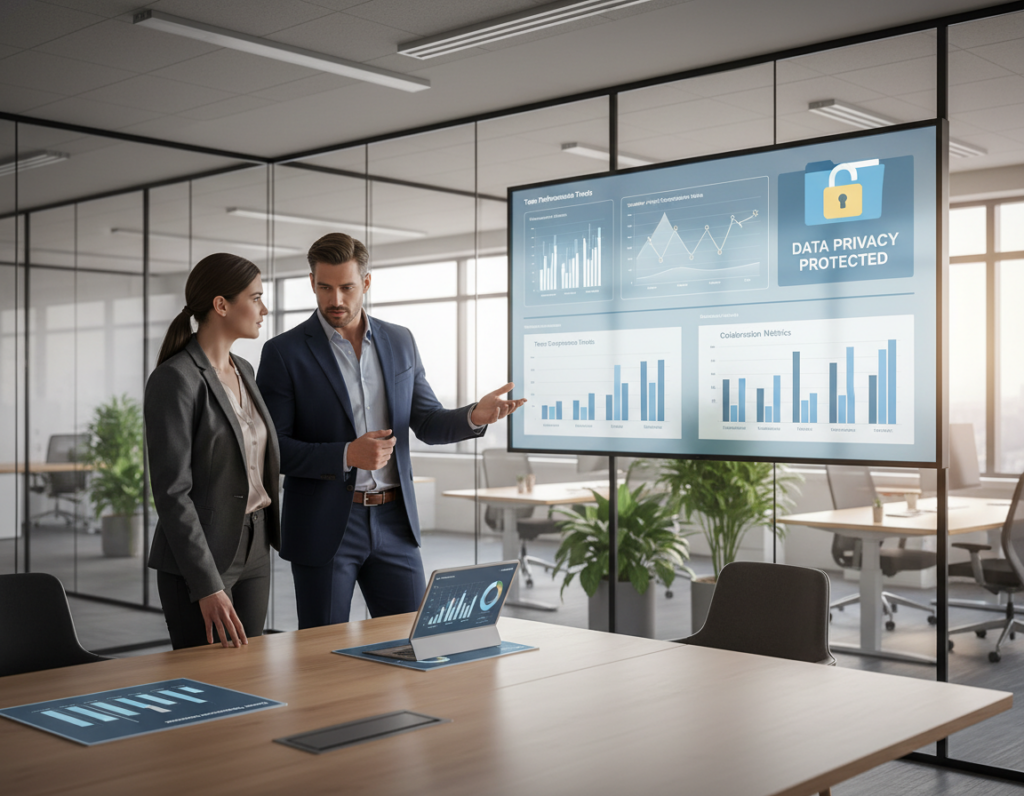
U.S. companies are redefining employee benefits as workforce expectations evolve. Instead of relying solely on traditional perks, organizations are adopting more flexible, personalized, and holistic benefit models designed to improve well-being, retention, and long-term productivity.
As highlighted in recent workforce trend analyses published by platforms like Future Tech Focus, employee benefits are now a strategic pillar rather than a secondary HR function. The modern workforce values balance, autonomy, and purpose — and benefits are becoming the primary way companies respond to those demands.
From Standard Perks to Holistic Support
For decades, employee benefits focused mainly on health insurance, retirement plans, and paid leave. While these remain essential, they no longer address the full spectrum of employee needs.
Today’s benefits landscape reflects a broader understanding of well-being, encompassing mental health, financial stability, and physical wellness. Research consistently shows that employees who feel supported beyond their core compensation are more engaged and productive.

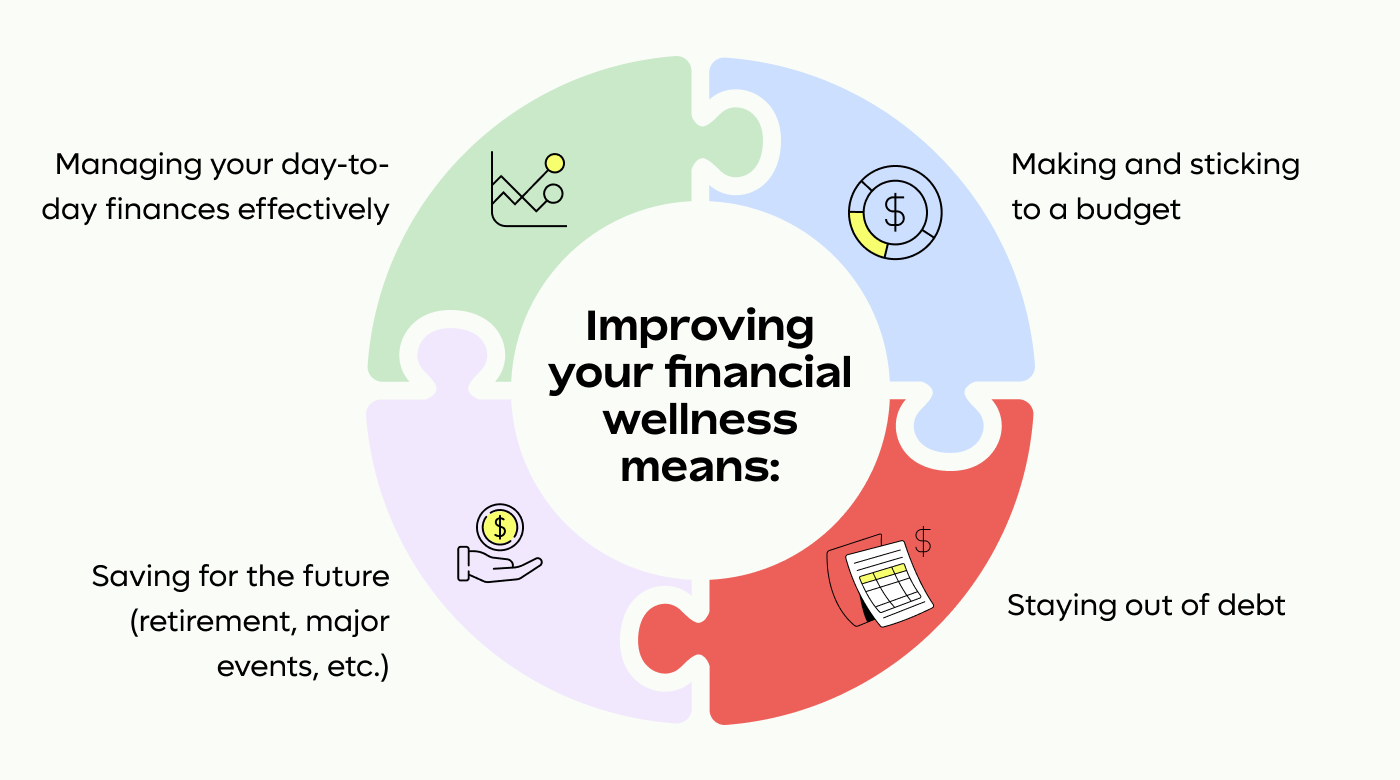
Companies are increasingly investing in mental health support, offering access to therapy, counseling services, mindfulness programs, and dedicated mental health days. At the same time, financial wellness initiatives such as retirement planning tools, emergency savings programs, and student loan assistance are gaining traction. Physical well-being is also addressed through gym stipends, wellness coaching, and preventive healthcare incentives.
This integrated approach recognizes that performance is closely tied to overall life stability.
Flexibility as a Core Benefit, Not a Bonus
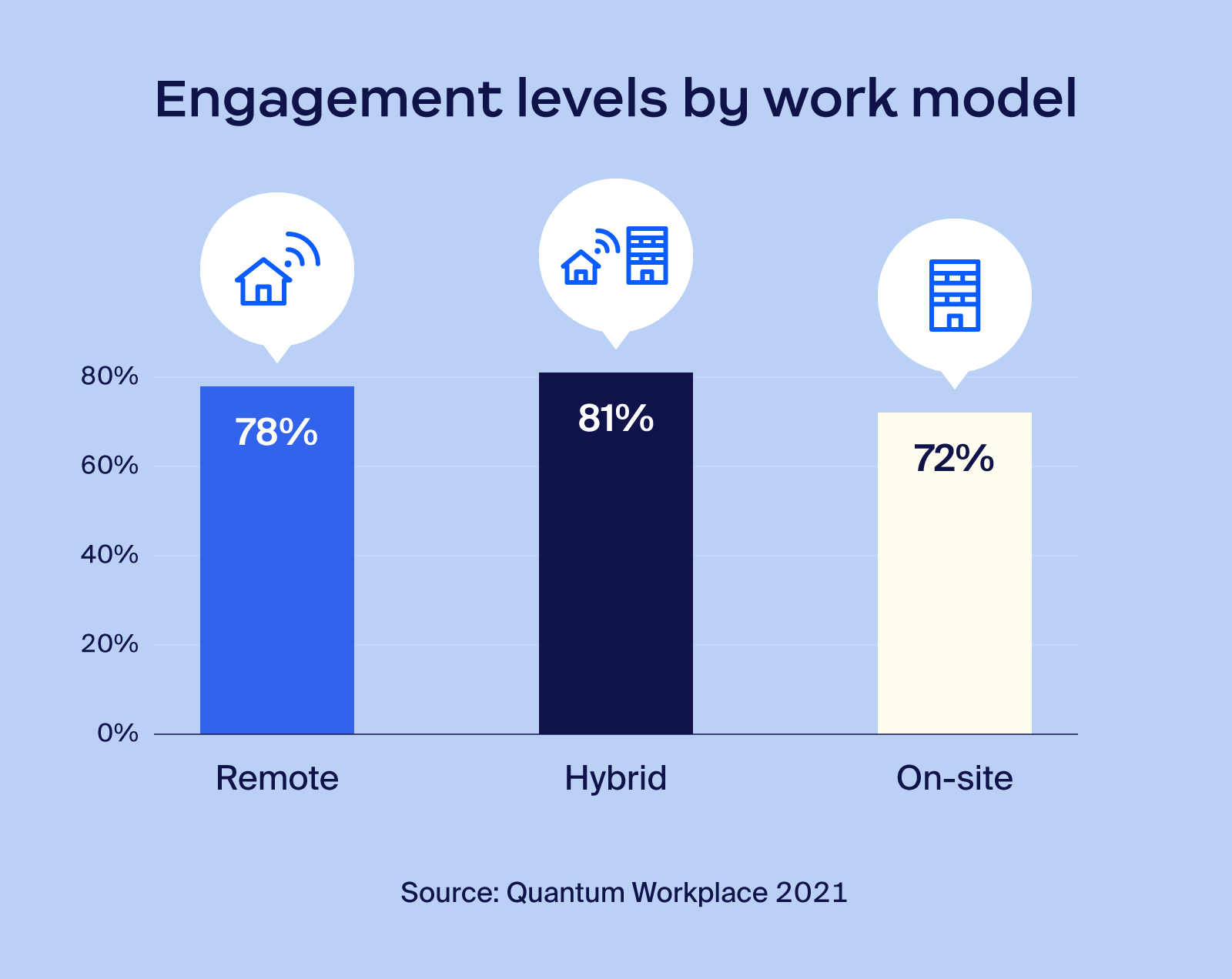
Workplace flexibility has shifted from a temporary adjustment to a permanent expectation. Hybrid schedules, remote-first teams, and compressed work weeks are now part of standard benefit packages rather than exceptions.
Many U.S. companies are restructuring benefits around flexibility, allowing employees greater control over where and when they work. This shift supports better work-life balance while also expanding talent pools beyond geographic boundaries.

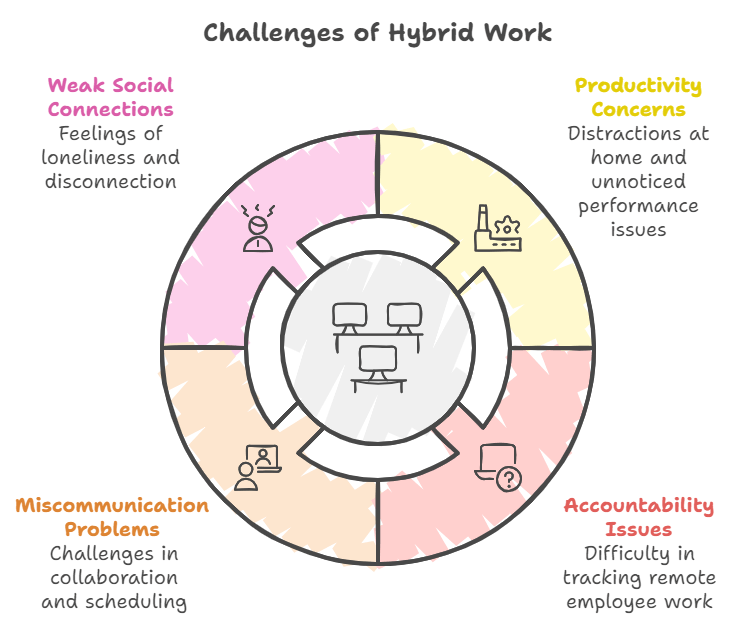

Alongside flexible schedules, organizations are also offering home office stipends, asynchronous work policies, and digital collaboration tools to support distributed teams effectively.
Video: How Modern Benefits Are Reshaping the Workplace
To better understand how flexibility and well-being benefits are transforming employee experience, this short video provides useful context on emerging workplace models and expectations.
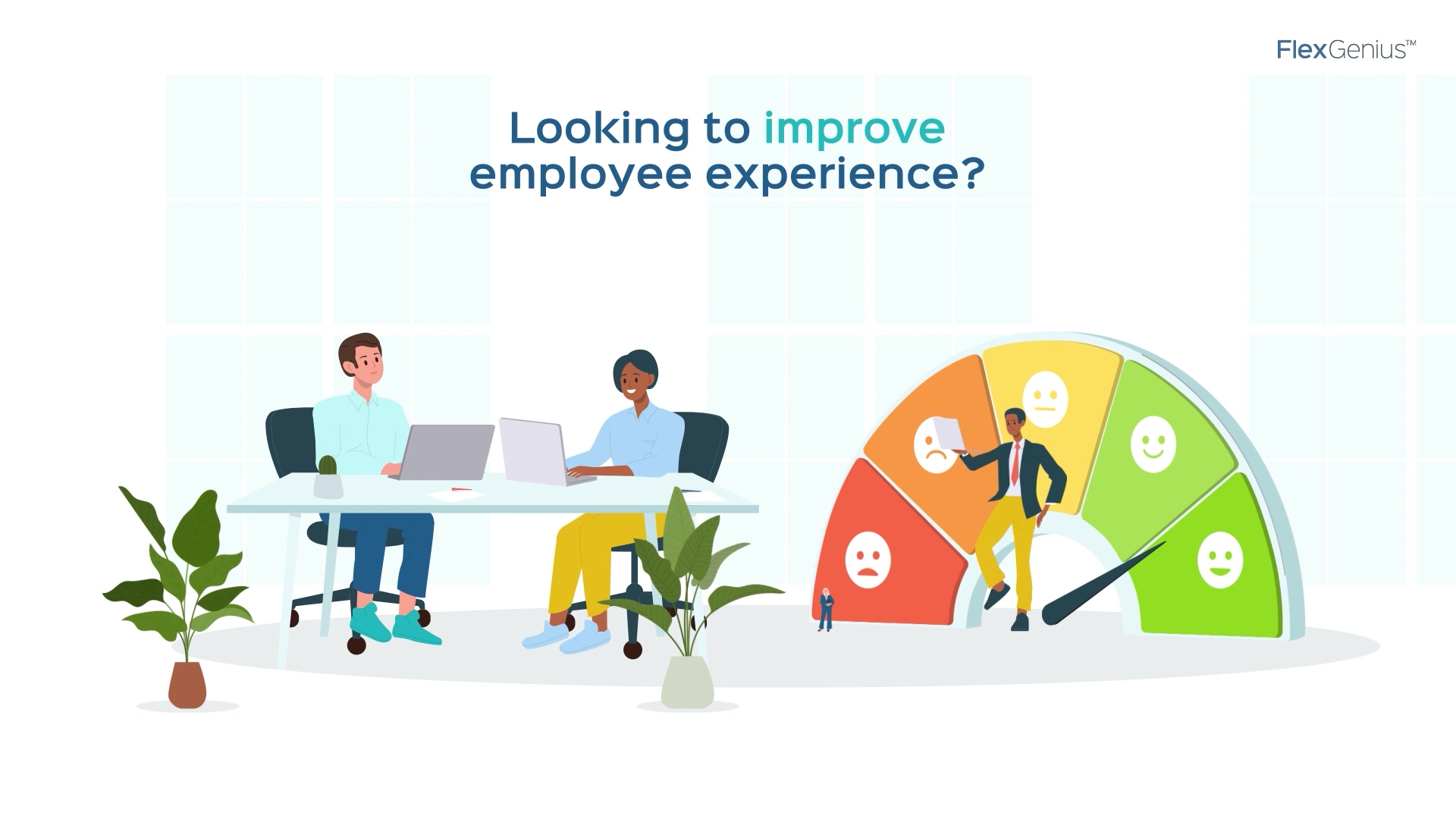
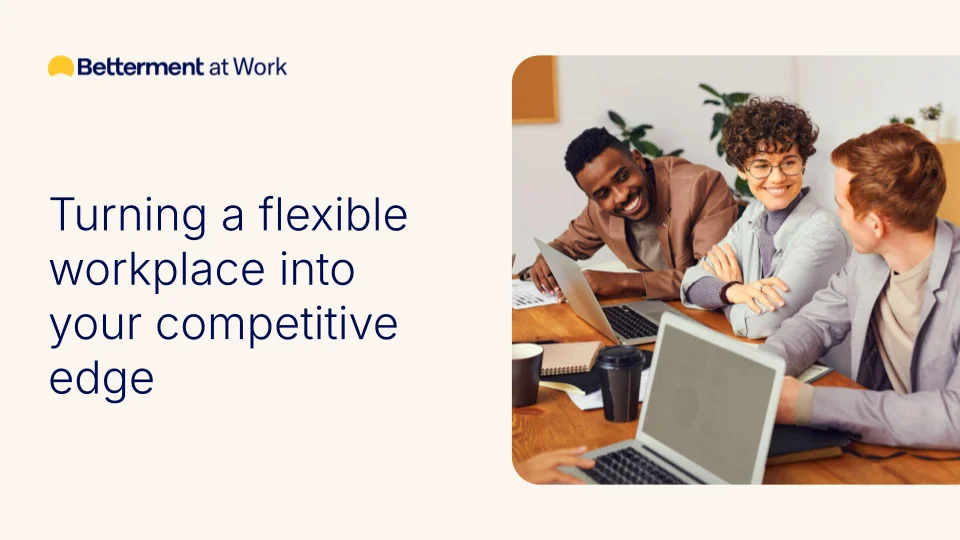
(Embedded video content explaining how flexible benefits improve retention and productivity across U.S. companies.)
Personalized Benefits for a Diverse Workforce
One of the strongest trends in employee benefits is personalization. Instead of offering identical packages to everyone, companies are moving toward modular benefit systems where employees choose what best fits their lifestyle and career stage.
Examples include professional development stipends, childcare or eldercare assistance, lifestyle benefits like pet insurance, and wellness allowances. These options are particularly valuable in multi-generational workplaces, where priorities can vary significantly between early-career professionals and senior employees.
Advances in HR technology make this possible by enabling data-driven personalization while keeping benefit administration manageable.
Technology Driving Smarter Benefit Management
Behind the scenes, technology plays a crucial role in delivering modern benefits. AI-powered HR platforms help employees navigate their options, track usage, and receive recommendations tailored to their needs.
At the organizational level, analytics tools allow companies to measure engagement, adoption rates, and return on investment for each benefit category. This ensures resources are allocated efficiently and benefits remain aligned with workforce expectations.
Career Growth as a Strategic Benefit
Beyond wellness and flexibility, career development has become a central component of benefit strategies. Employers are increasingly offering learning budgets, certification reimbursements, mentorship programs, and access to digital education platforms.
By supporting continuous skill development, companies not only retain talent but also future-proof their workforce in an economy shaped by automation and rapid technological change.
Benefits Aligned With Values and Purpose
Employee benefits are also reflecting corporate values more clearly. Sustainability incentives, paid volunteer time, and socially responsible investment options are becoming part of benefit portfolios, particularly in companies focused on ESG principles.
For many employees, especially younger professionals, alignment between personal values and employer practices plays a decisive role in job satisfaction and loyalty.
Conclusion
Employee benefits in the U.S. are undergoing a fundamental transformation. What was once a standardized checklist of perks has evolved into a strategic ecosystem designed to support well-being, flexibility, personal growth, and purpose. Companies that embrace holistic, personalized, and tech-enabled benefits are better positioned to attract talent, reduce turnover, and build resilient, high-performing teams.
As workforce expectations continue to evolve, the future of employee benefits will increasingly center on empowering individuals — not just compensating them — creating healthier organizations and a more sustainable world of work.